
Mommy Wrist & Thumb: Why Your Hands Hurt from Taking Care of Everyone (And What You Can Do About It!)
If you’re a mom, chances are your hands are working overtime.
From picking up babies and toddlers to carrying car seats, lifting laundry baskets, opening snack packages, pushing strollers, and somehow doing approximately 47 other things before 9 AM… your hands rarely get a break.
And if you’ve noticed pain at the base of your thumb, aching along your wrist, or discomfort when picking up your baby, you may be experiencing something commonly called Mommy Wrist or Mommy Thumb.
It’s incredibly common among new moms, but here’s the thing: just because it’s common doesn’t mean you have to live with it!
At Empowered Wellness, we help moms get to the root of their pain, calm irritated tissues, restore comfortable movement, and learn how to protect their hands while continuing to do all the things motherhood requires.
Let’s talk about what’s happening and how we can help.
What exactly is Mommy Wrist and Mommy Thumb?
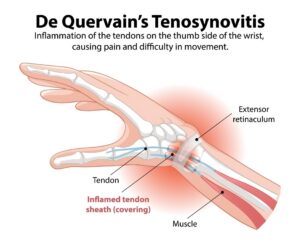
The medical term for this condition is De Quervain’s tenosynovitis (pronounced duh-kair-VAINS).
It’s an irritation involving the tendons and their surrounding sheath on the thumb side of your wrist. Two tendons that help move your thumb become irritated, making certain everyday movements painful.
You might notice:
Pain at the base of your thumb or along the wrist.
Discomfort when gripping, pinching, or twisting.
Pain when lifting your baby out of the crib.
Aching when holding your phone or nursing your baby.
Swelling or tenderness along the thumb side of your wrist.
Pain when opening jars, turning doorknobs, or carrying bags.
A sharp or pulling sensation when moving your thumb across your palm.
Some moms experience symptoms in one wrist, while others develop it in both.
Why does Mommy Wrist happen?
It’s not simply because you’re holding your baby too much. It’s often a combination of repetitive movements, sustained positioning, increased loading, and changes in your body’s tissues during pregnancy and postpartum.
Here are a few common contributors:
1. Repetitive lifting and carrying
Think about how many times you pick up your baby throughout the day. Now multiply that by the number of diaper changes, feedings, car-seat transfers, and toddler pickups!
Many moms repeatedly lift with their wrists bent and thumbs extended, placing extra stress on the tendons.
2. The way you hold your baby
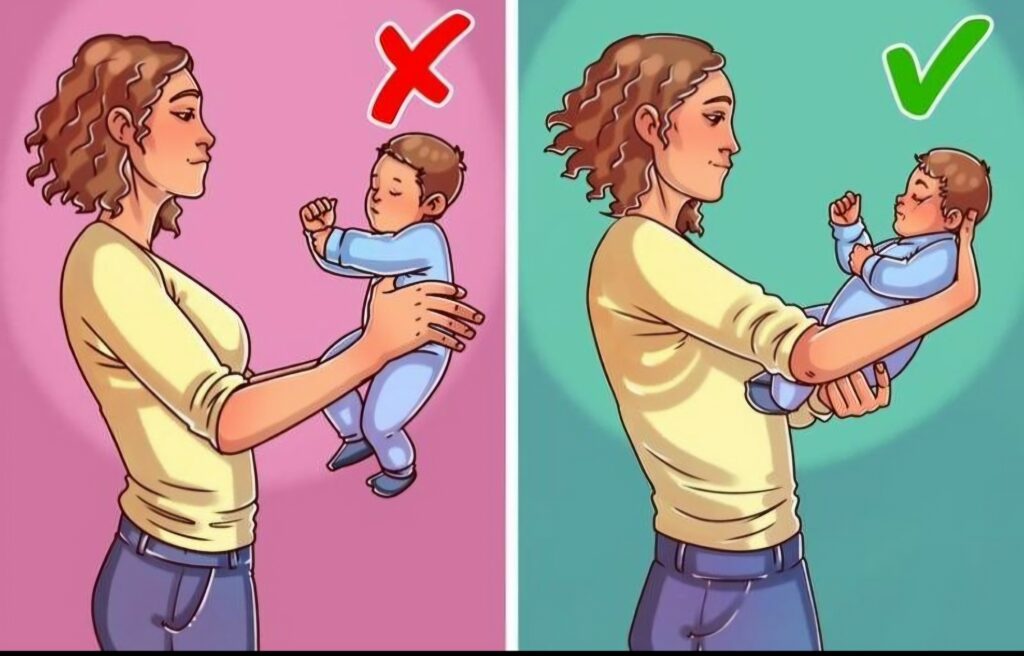
A common habit is extending your thumb away from your hand and using it to support your baby’s head or body while lifting.
This position can increase stress on the tendons at the base of your thumb, especially when repeated throughout the day.
3. Hormonal and fluid changes
Pregnancy and postpartum involve significant hormonal and fluid shifts. Changes in fluid retention and tissue sensitivity may contribute to tendon irritation.
4. Not enough recovery time
Let’s be honest: motherhood doesn’t exactly come with scheduled rest breaks!
When the same tendons are repeatedly loaded without enough opportunity to recover, irritation can build.
And while this condition is often associated with new moms, it can affect anyone who performs repetitive gripping, lifting, or thumb movements.
How we help at Empowered Wellness
At Empowered Wellness, we believe you deserve more than being told to rest your hands when resting your hands isn’t exactly an option.
You still have babies to feed, kids to carry, groceries to unload, and approximately 5,000 things to accomplish.
Our approach combines hands-on treatment, therapeutic modalities, movement education, and practical strategies to help you feel better and prevent symptoms from continually returning.
Here’s what treatment may look like:
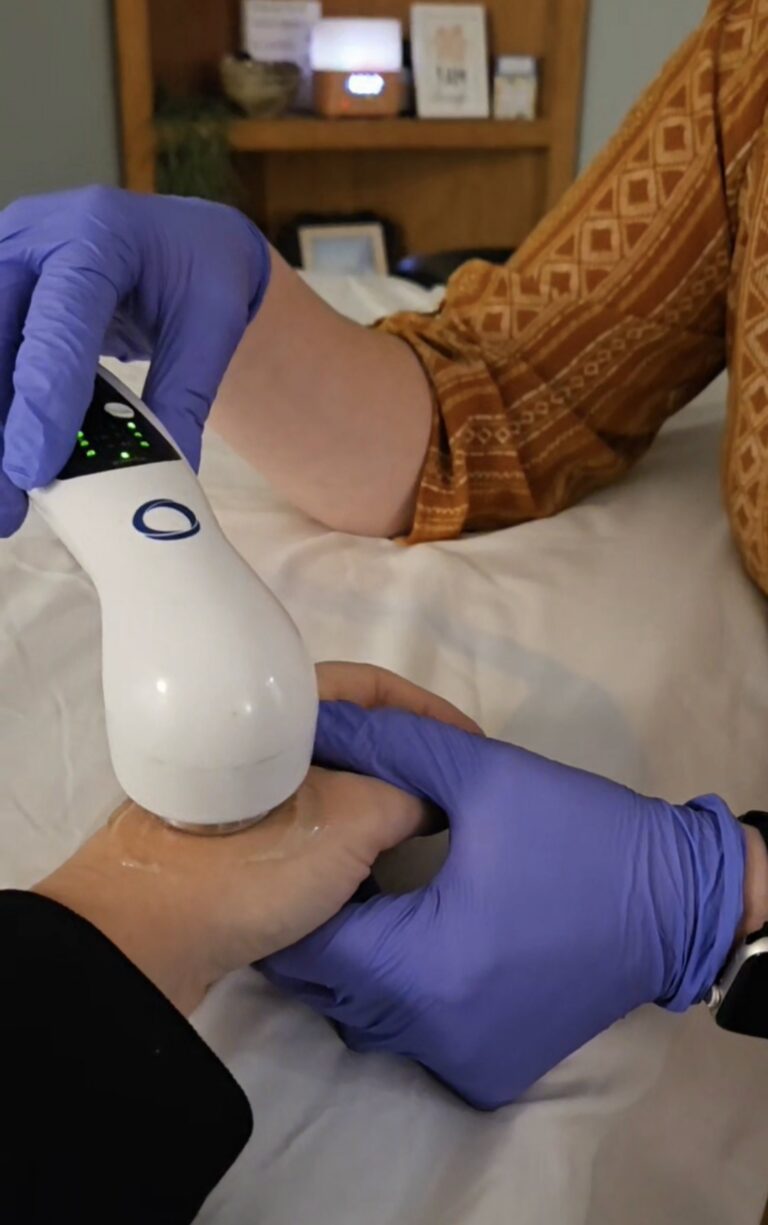
1. Therapeutic Ultrasound
Therapeutic ultrasound uses sound waves to deliver energy into targeted tissues.
We may use it as part of your treatment approach to address the irritated area, with the goal of supporting symptom management and improving comfort.
It’s one tool we can incorporate alongside other hands-on techniques and movement strategies.
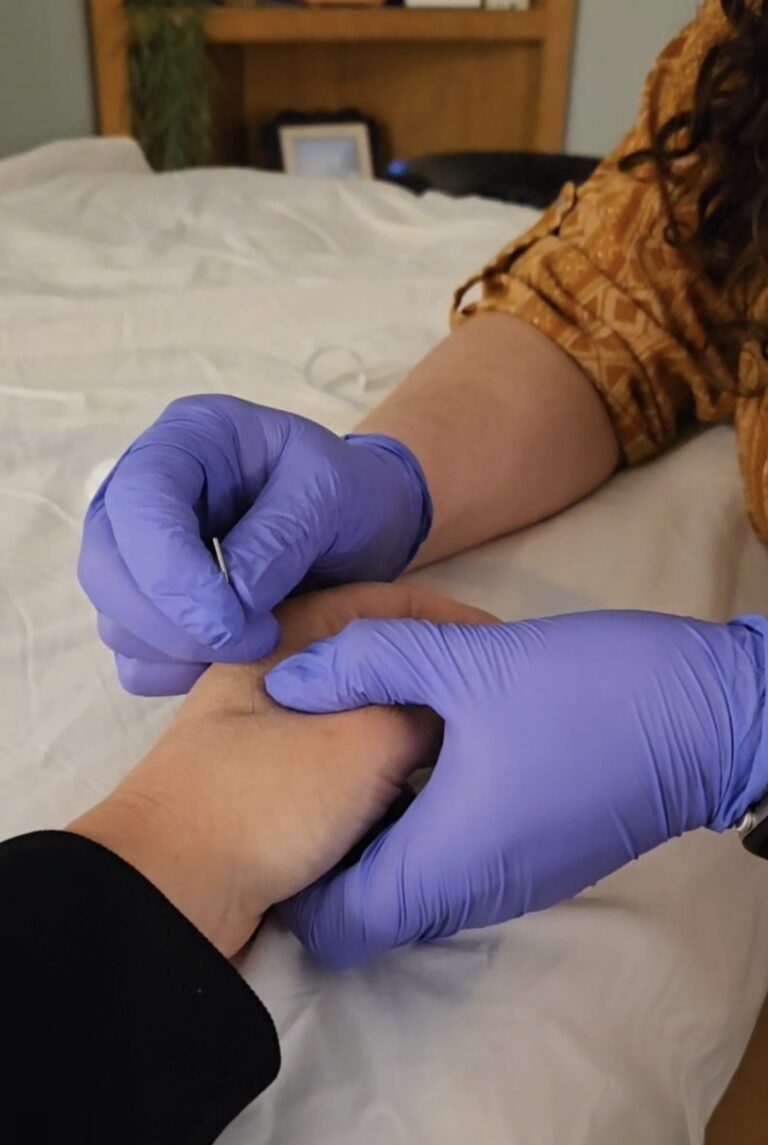
2. Dry Needling
Sometimes the muscles surrounding your wrist, thumb, and forearm become overworked from constantly compensating.
Dry needling can help address muscular trigger points and areas of increased tension.
By treating the surrounding musculature, we can work toward improving muscle function, reducing discomfort, and helping your hand move more comfortably.
3. Manual Therapy
This is where our hands-on approach really shines!
Depending on your individual presentation, manual therapy may include:
Soft tissue mobilization.
Gentle tendon and surrounding tissue techniques.
Wrist and thumb joint mobilizations.
Addressing tension throughout the forearm.
Improving mobility and comfortable movement.
We look beyond the exact spot that hurts because your wrist, thumb, forearm, and shoulder all work together.
4. Bracing and Support
Sometimes your wrist needs a little extra support while irritated tissues calm down.
A thumb spica brace is commonly recommended for De Quervain’s tenosynovitis. This type of brace supports both the wrist and thumb, limiting movements that may aggravate the tendons.
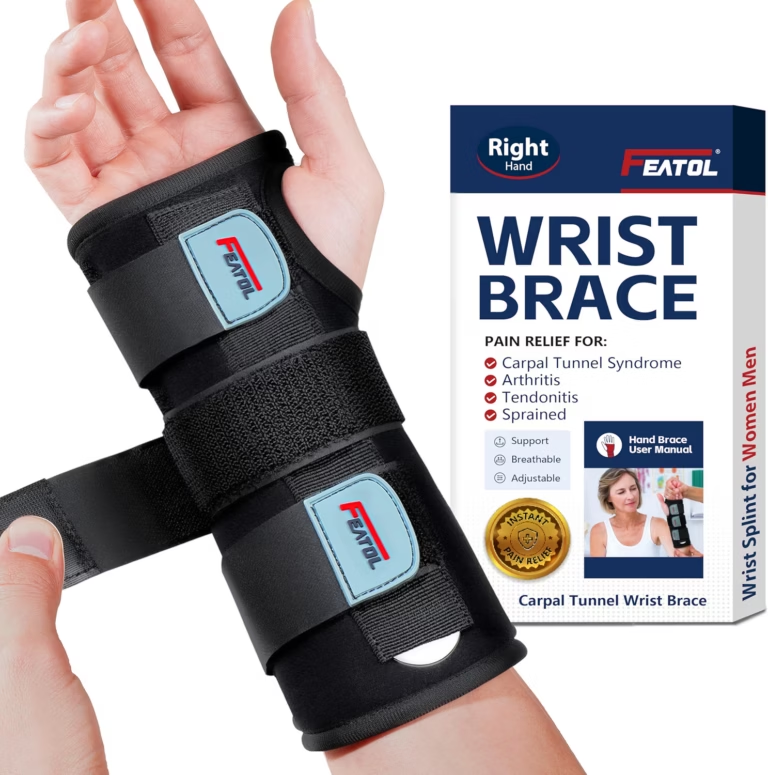
We’ll help you determine whether a brace is appropriate, what type to use, and when to wear it.
The goal isn’t to keep your hand immobilized forever. It’s to give irritated tissues a break while you work on restoring function.
5. Education: Small Changes That Make a BIG Difference
This might be one of the most important parts of treatment.
We want to teach you how to modify everyday movements so you’re not continually irritating the same tissues.
A few helpful adjustments:
Keep your wrist neutral. Avoid repeatedly lifting with your wrist bent toward your pinky.
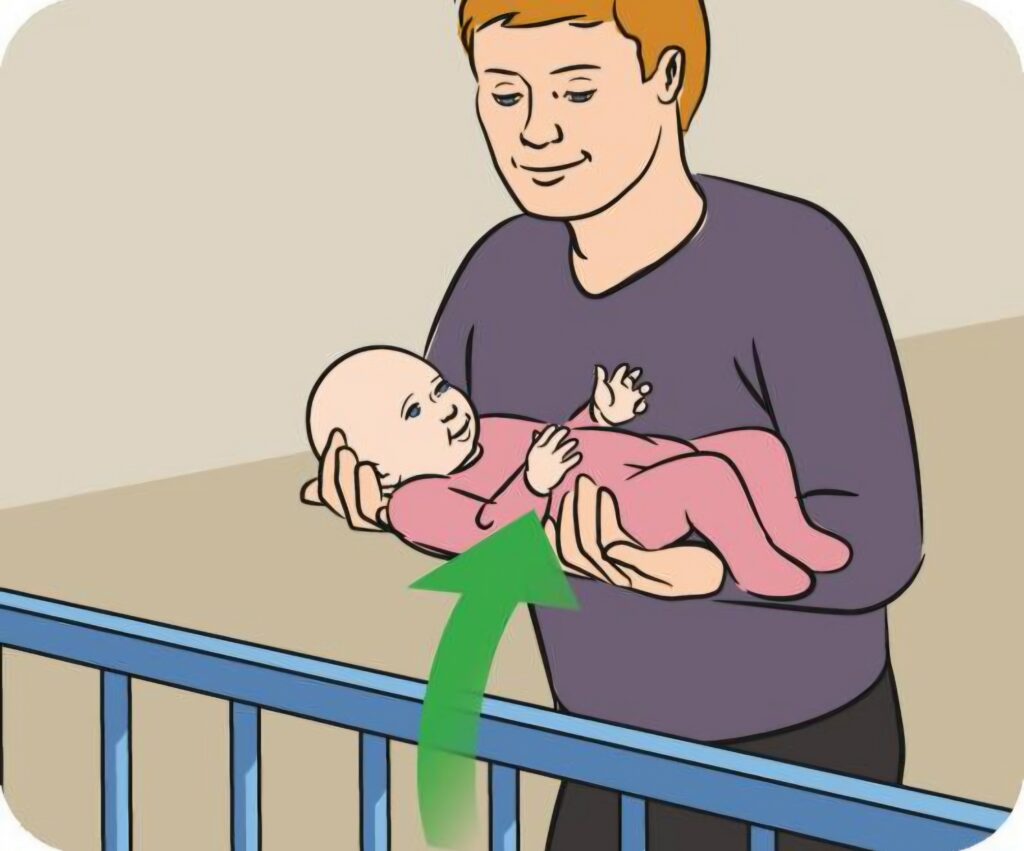
Use both hands. Distribute your baby’s weight instead of relying on one thumb and wrist.
Support your baby’s head and body with your forearms and palms. Avoid using your thumb as the primary support.
Bring baby close to your body. The closer your baby is, the less leverage your wrist has to manage.
Use nursing pillows. Let the pillow support your baby instead of holding their entire weight with your hands.
Modify repetitive tasks. Alternate hands when possible and take short breaks from gripping and pinching.
And remember: you don’t have to stop being a mom to let your body heal. You just may need to change HOW you’re doing some of the things you’re doing.
When should you seek treatment?
If wrist and thumb pain is interfering with your ability to lift your baby, feed your child, get dressed, work, or complete everyday activities, it’s worth having it evaluated.
Early intervention can help prevent symptoms from becoming more persistent.
At Empowered Wellness, we’ll assess your wrist and thumb, look at how you’re moving, identify contributing factors, and develop a treatment plan based on your needs.
Not every case of wrist pain is De Quervain’s, so getting the right diagnosis matters. Persistent pain, significant swelling, numbness, or weakness deserves an evaluation.
Moms, your body deserves care, too!
We spend so much time taking care of everyone else that it’s easy to put our own discomfort on the back burner.
We normalize leaking when we sneeze, back pain from carrying toddlers, pelvic pressure, painful intimacy, and now wrist pain from motherhood.
But here’s your reminder:
Just because something is common in motherhood doesn’t mean it’s something you have to accept as your new normal.
You deserve to pick up your baby without wincing. You deserve to carry your toddler without pain. You deserve to use your hands without constantly thinking about how much they hurt.
At Empowered Wellness, we’re here to help you feel good in your body again.
Because taking care of yourself isn’t taking away from your family. It’s helping you show up for them while taking care of YOU, too.
Ready to give those hardworking hands some love?
Contact Empowered Wellness to schedule an appointment. Let’s get you back to doing all the mom things without the wrist and thumb pain!
Empowered Wellness | Holistic Women’s Health & Wellness
Helping Moms feel good in their bodies again.
www.empoweredwellnesspt.com